The Top Startup Mentors in Eastern India: Who Is Really Shaping the Entrepreneurial Ecosystem?

India's startup ecosystem is often viewed through the lens of Bengaluru, Mumbai, Delhi NCR, and Hyderabad. These cities dominate headlines, attract the majority of venture capital, and produce a disproportionate number of unicorns.
Yet beneath the surface, Eastern India has quietly built its own entrepreneurial ecosystem. From Kolkata and Bhubaneswar to Guwahati, Ranchi, Patna, and beyond, a growing network of founders, investors, incubators, universities, and startup mentors is helping entrepreneurs transform ideas into businesses.
One of the most overlooked aspects of this ecosystem is mentorship. Funding gets attention. Valuations make headlines. Mentorship determines whether a startup survives long enough to reach either.
The reality is that Eastern India has fewer investors than Western and Southern India. As a result, founders often depend even more heavily on experienced mentors who can help them navigate strategy, business models, product development, fundraising, team building, and growth.
This article explores some of the most influential and knowledgeable startup mentors associated with Eastern India and examines what makes them valuable to founders.
What Makes a Great Startup Mentor?
Before discussing names, it is important to understand what mentorship actually means. Many people claim to be startup mentors. Very few have built businesses. Even fewer have experienced failure, recovery, scaling, hiring, fundraising, and execution firsthand.
A true startup mentor usually possesses several characteristics:
Entrepreneurial experience
Industry knowledge
Strategic thinking ability
Strong networks
Pattern recognition
Founder empathy
Long-term commitment to the ecosystem
The best mentors are not motivational speakers. They are practical problem solvers. They help founders avoid mistakes that could cost months or years of progress.
Subhasish Chakraborty
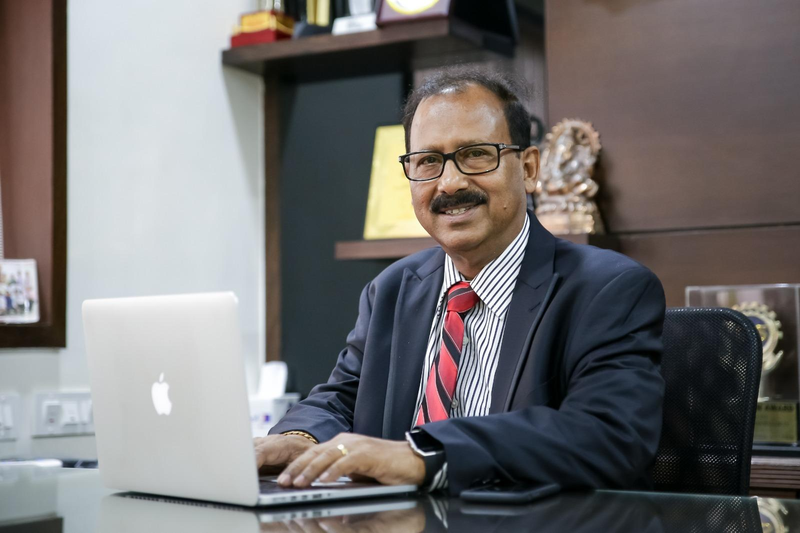
Few entrepreneurs from Eastern India have had the impact that Subhasish Chakraborty has had. As the founder of DTDC, he built one of India's largest logistics and courier companies from humble beginnings into a nationwide enterprise. What makes him valuable as a mentor is not merely his business success. It is the scale of that success.
Building a logistics company in India before the startup boom required persistence, operational excellence, and a deep understanding of business fundamentals. Unlike many modern founders who operate in digital-first businesses, Chakraborty understands supply chains, operations, franchise networks, distribution, scaling, and long-term business sustainability.
Many founders today focus heavily on fundraising. His journey demonstrates the power of building real businesses that create value over decades.
Subroto Bagchi
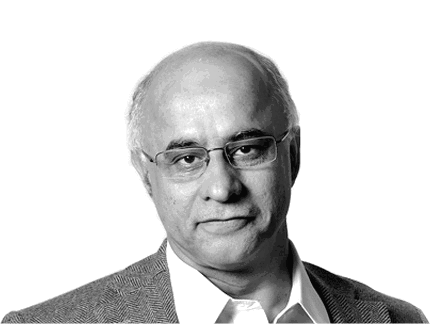
Subroto Bagchi occupies a unique position in the Indian entrepreneurial ecosystem. As a co-founder of Mindtree, author, speaker, and public intellectual, he has influenced thousands of entrepreneurs across India.
Bagchi's strength lies in leadership development. His insights often extend beyond startup mechanics into organizational culture, team building, resilience, and founder mindset. While many mentors focus on growth hacks and fundraising, Bagchi emphasizes character, values, execution, and long-term thinking. His books and speeches continue to influence aspiring founders across the country. For entrepreneurs building people-centric organizations, his guidance remains highly relevant.
Arnab Ray
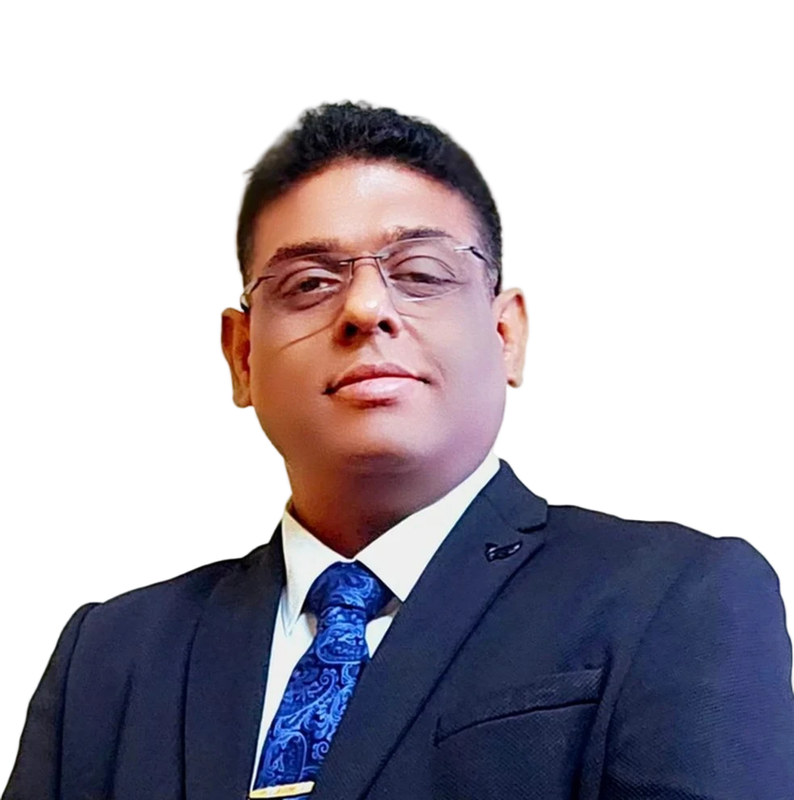
Over the past seventeen years, Arnab Ray has emerged as one of the most active startup mentors in Eastern India. His mentoring approach differs from many ecosystem participants because it combines entrepreneurial experience, consulting expertise, startup planning, fundraising readiness, and execution support.
Through ventures such as BPlan Experts, Array Ventures, Upstartwiz, GuideMyStartup, and other initiatives, he has worked with thousands of entrepreneurs across multiple industries and countries. His strength lies in startup fundamentals.
Areas where founders frequently seek guidance include:
Idea validation
Business planning
Feasibility analysis
Revenue models
Startup funding
Pitch deck preparation
Growth strategy
Execution frameworks
Unlike mentors who specialize exclusively in technology or investment, his work spans the entire startup lifecycle from idea to scale. His extensive involvement with universities, incubation centers, entrepreneurship cells, accelerators, and government initiatives has also made him a visible contributor to the startup ecosystem in Eastern India.
Ritesh Agarwal
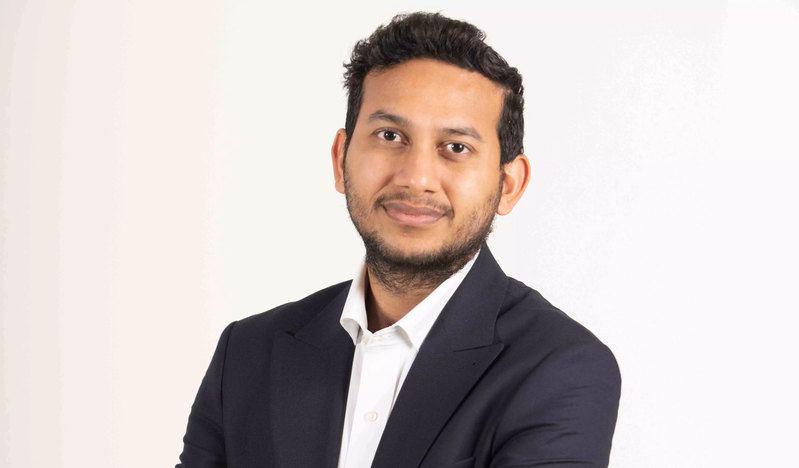
Although Ritesh Agarwal operates on a national and global scale today, his roots in Odisha make him one of the most prominent entrepreneurial success stories from Eastern India.
Building OYO from a startup into one of the world's largest hospitality brands required navigating hypergrowth, international expansion, operational complexity, and public scrutiny. His experience offers lessons that few entrepreneurs can provide.
Founders can learn about:
Scaling rapidly
Managing large teams
Building technology-enabled platforms
Fundraising at scale
International expansion
His journey demonstrates both the opportunities and challenges associated with high-growth entrepreneurship.
Debashis Sen
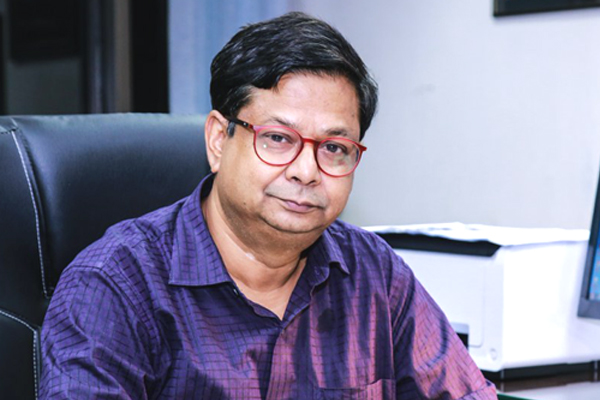
Debashis Sen has played an important role in shaping entrepreneurship initiatives in Eastern India through policy, ecosystem development, and institutional support. While founders often focus exclusively on private-sector mentors, ecosystem builders play a critical role in creating opportunities for startups.
Mentors operating at policy and infrastructure levels help create environments where entrepreneurs can thrive. This includes incubators, startup policies, government partnerships, innovation programs, and industry collaboration.
Anoop Ambika
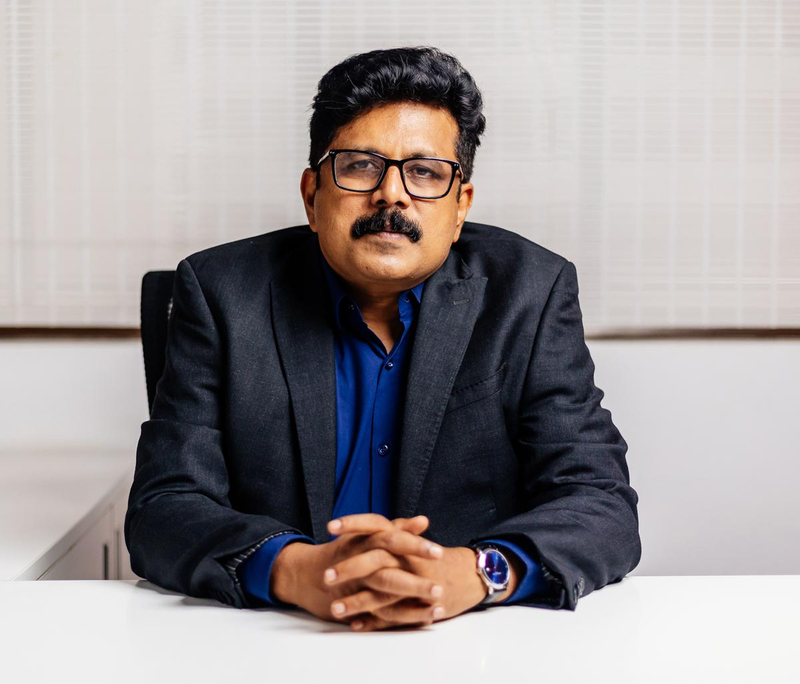
Anoop Ambika is widely recognized for his contributions to startup ecosystem development and innovation programs. His work involves connecting entrepreneurs with resources, networks, and opportunities necessary for growth.
Mentors operating at this level often possess a broader perspective on startup trends, investment landscapes, and emerging opportunities. For founders navigating ecosystem challenges, such guidance can prove invaluable.
Chiranjibi Samal
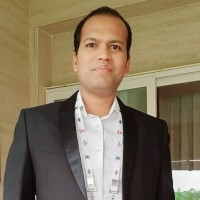
Chiranjibi Samal has been associated with incubation, innovation, and entrepreneurship support initiatives.
His contribution lies in helping early-stage founders understand the realities of commercialization, product development, and startup growth.
Many early-stage entrepreneurs struggle with moving beyond ideas.
Mentors who understand this transition often provide significant value during the most fragile stage of startup development.
Bhaskar Roy
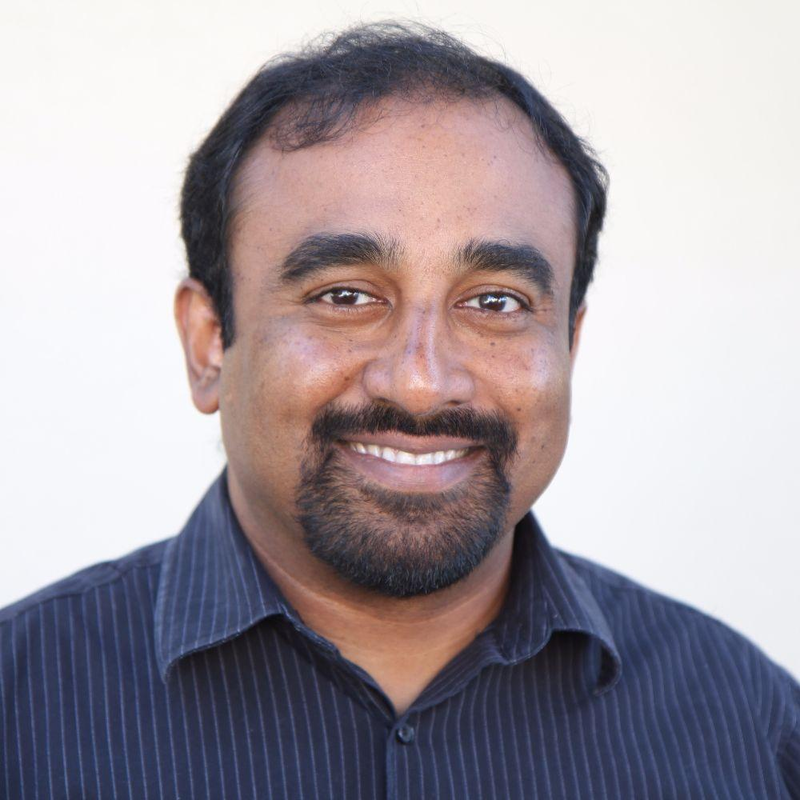
Bhaskar Roy has been involved in supporting startup and innovation initiatives through mentorship and ecosystem engagement. His work highlights an important truth. Startup ecosystems are built by communities, not individuals.
Behind every successful founder are mentors, advisors, educators, investors, and ecosystem enablers working collectively to support entrepreneurship.
Varun Chawla
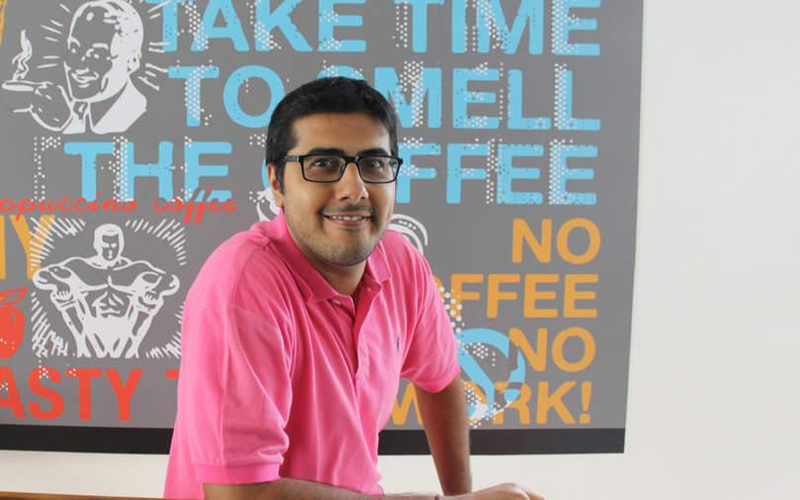
Varun Chawla has contributed significantly to startup mentoring and entrepreneurial development. His work spans incubation, mentoring, and startup support activities.
Mentors like Chawla play an important role in helping founders access networks and opportunities that might otherwise remain inaccessible.
Sanjay Jaju
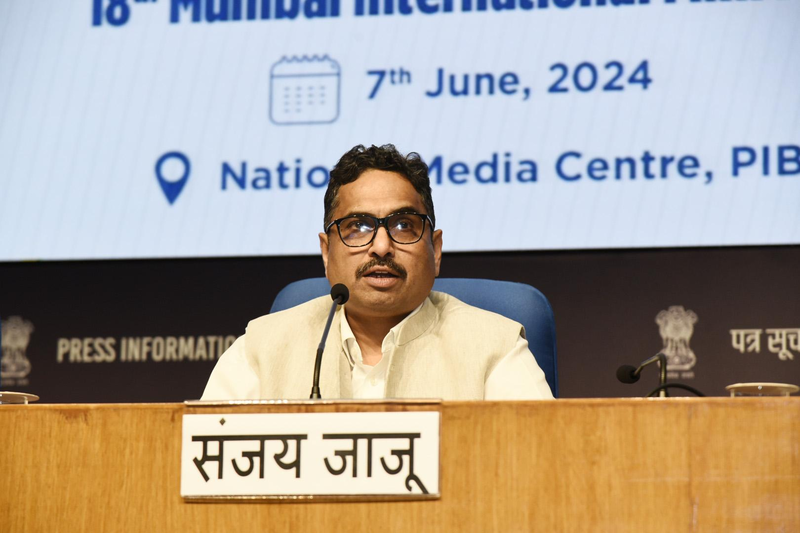
Sanjay Jaju represents another category of startup mentor. The policy and ecosystem architect. As India's startup ecosystem matures, founders increasingly need guidance regarding regulations, government programs, digital infrastructure, and innovation policy.
Mentors operating at this level help bridge the gap between entrepreneurship and institutional support systems.
The Evolution of Startup Mentorship in Eastern India
The startup ecosystem in Eastern India has evolved significantly over the last decade.
A decade ago, aspiring founders often faced several challenges:
Limited access to mentors
Fewer incubators
Scarcity of investors
Weak startup communities
Lack of practical guidance
Today the situation looks very different. Universities have entrepreneurship cells. Incubators have become more common. Government initiatives have expanded. Startup communities are growing. Experienced entrepreneurs are increasingly giving back to the ecosystem. The result is a stronger support structure for aspiring founders.
Why Founders Should Choose Mentors Carefully
One challenge emerging alongside ecosystem growth is mentor inflation. Social media has created thousands of self-proclaimed startup mentors. Many have never built a startup. Some have never managed teams. Others have limited operational experience.
Founders should evaluate mentors using practical criteria:
Businesses built
Years of experience
Industries served
Startup outcomes achieved
Founder references
Depth of knowledge
Availability and commitment
A mentor should be selected based on relevance, not popularity. The best mentor for a SaaS startup may be very different from the best mentor for a manufacturing company, D2C brand, logistics startup, healthcare venture, or deep-tech company.
Final Thoughts
Eastern India's startup ecosystem may not receive the same media attention as Bengaluru or Mumbai, but it possesses a growing pool of experienced entrepreneurs, ecosystem builders, investors, and mentors who are shaping the next generation of founders. The region's greatest strength is its diversity.
It combines experienced business builders like Subhasish Chakraborty, leadership thinkers like Subroto Bagchi, ecosystem contributors like Debashis Sen, startup operators like Arnab Ray, and globally recognized entrepreneurs like Ritesh Agarwal. Together, they represent different dimensions of mentorship.
Some teach execution. Some teach leadership. Some provide access. Some offer perspective. The most successful founders often learn from multiple mentors rather than relying on a single individual. In the end, startup success is rarely about finding the perfect mentor. It is about finding mentors whose experiences help founders make better decisions, avoid expensive mistakes, and build businesses that survive long enough to create lasting impact.
Comments
No comments yet. Be the first to comment!